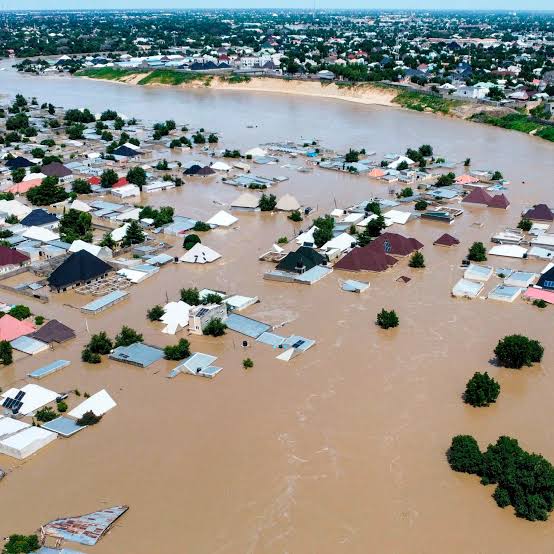
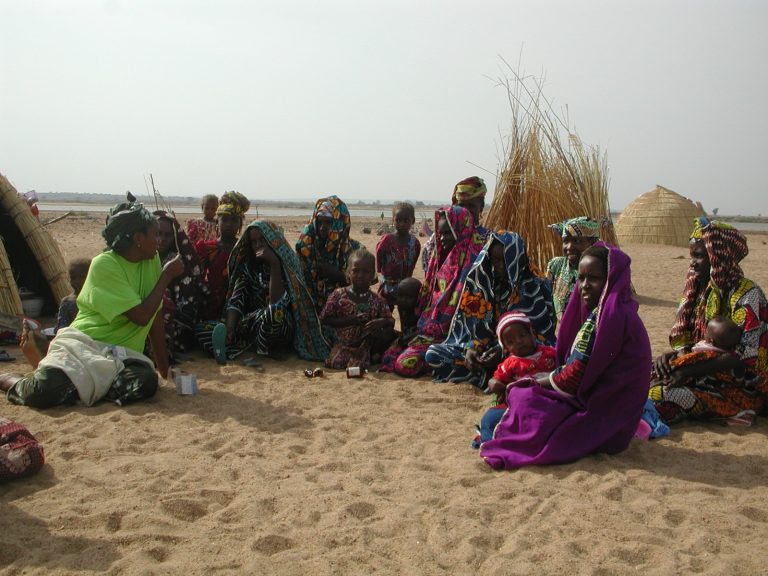
A farmer watches his harvest shrink as rainfall becomes increasingly unpredictable. In another community, environmental degradation threatens fishing livelihoods, while elsewhere, competition over scarce resources fuels tension and displacement.
For many Nigerians, climate change is not a future threat, it is already affecting livelihoods, food security, health, and stability.
Climate-related challenges such as drought, flooding, and environmental degradation are placing growing pressure on communities across the country. These impacts extend beyond the environment, influencing governance, nutrition, economic opportunities, and even conflict.
At CHF, environment, nutrition, and climate research focuses on understanding these connections and generating evidence that helps communities adapt and thrive. The organisation examines how climate change affects livelihoods, food systems, governance, and security, particularly in vulnerable regions such as the Lake Chad Basin and the Niger Delta.
Through climate vulnerability assessments, ecosystem-focused policy briefs, and community resilience frameworks, CHF provides policymakers and development partners with the evidence needed to design effective, long-term solutions.
For communities, climate resilience means being better prepared for environmental shocks, strengthening food and nutrition security, managing natural resources sustainably, and reducing risks that can lead to conflict and displacement.
By combining rigorous research with community knowledge and experience, CHF helps ensure that climate policies and resilience strategies are practical, inclusive, and responsive to local realities.
Because when communities are resilient, livelihoods are protected, ecosystems are sustained, and future generations have a stronger foundation for prosperity.