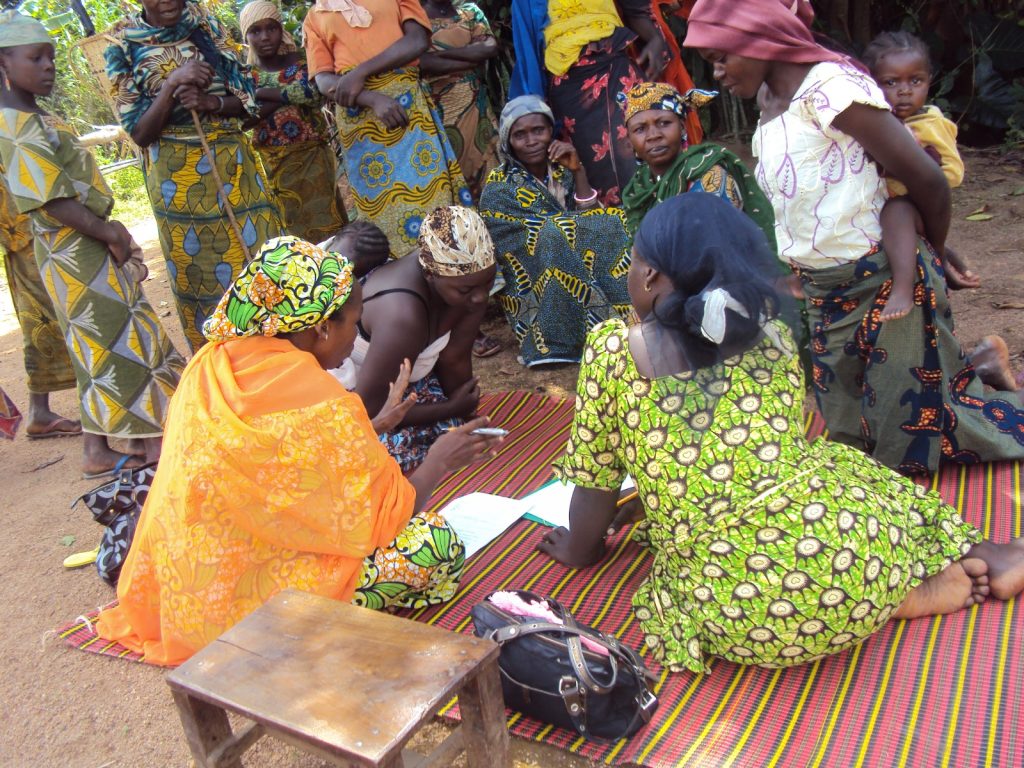
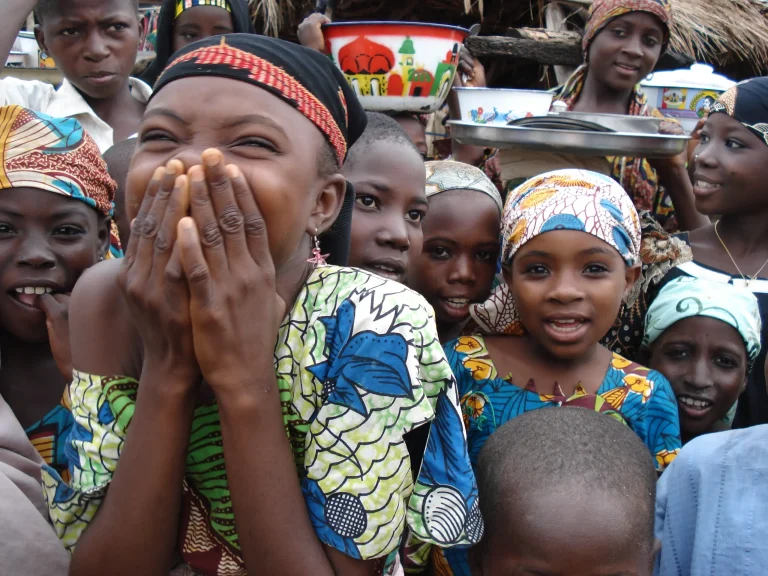
A young woman sits in a community meeting, listening as decisions are made about issues that will affect her future. She has ideas and solutions to offer, yet her voice is rarely sought. Across town, a talented graduate struggles to find opportunities, while a girl’s dream of completing her education is threatened by social and economic barriers.
These experiences reflect the realities of many women, girls, and young people whose potential is limited by barriers to participation, opportunity, and representation.
Gender and social inclusion are essential to sustainable development. Communities thrive when everyone, regardless of gender, age, or social status, has the opportunity to contribute and benefit equally. Achieving this requires understanding the policies, systems, and social norms that create inequality and using evidence to address them.
Research plays a critical role in this process. Gender-disaggregated data helps uncover hidden disparities, leadership assessments reveal gaps in representation, and policy research provides practical recommendations for building more inclusive institutions.
For ordinary Nigerians, greater inclusion means girls having equal access to education, women participating in decision-making, and young people accessing opportunities to contribute their skills and ideas. It also means stronger communities that benefit from diverse perspectives and leadership.
At CHF, gender and social inclusion work is guided by the belief that development is strongest when no one is left behind. Through research, advocacy, leadership assessments, and evidence-based policy engagement, CHF identifies and addresses barriers that limit participation and opportunity. The organisation generates evidence that informs policies and programmes, promotes equity, and amplifies underrepresented voices.
By advancing women’s leadership, supporting inclusive governance, and creating opportunities for youth participation, CHF helps build a future where everyone can realise their potential and contribute meaningfully to their communities and country.
Because when women are empowered and young people are included, communities become stronger, innovation flourishes, and development becomes more equitable and sustainable for all.