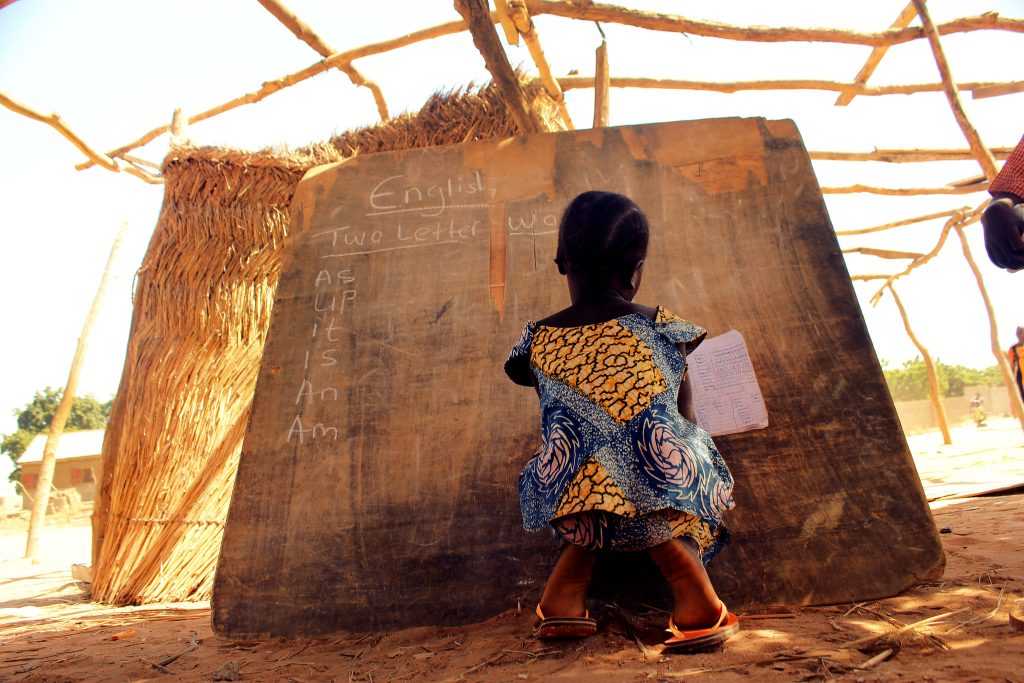
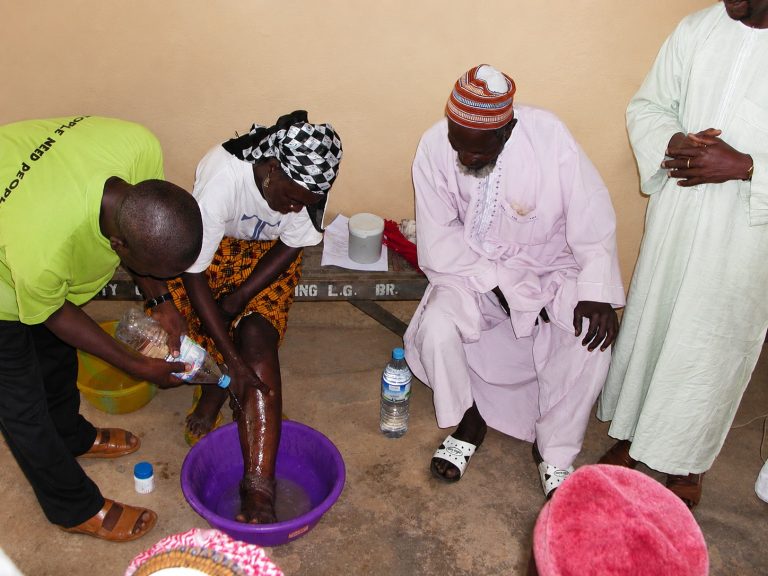
For many families in rural Nigeria, access to quality healthcare and education can determine whether opportunities are realised or lost.
A mother struggles to access treatment for her sick child because the nearest health facility is far away. A farmer’s livelihood is affected by a preventable tropical disease. A young girl attends an overcrowded school with limited learning resources. These challenges remain common across underserved communities, but they also highlight a simple truth: when health and education systems are strengthened, lives improve.
Health and education are the foundation of sustainable development. Healthy children are more likely to attend school and succeed, while educated citizens are better equipped to contribute to their communities and the economy. Together, they create pathways out of poverty and support long-term social progress.
For decades, CHF has advanced community-centred approaches to health system strengthening. Its work has contributed significantly to the control of neglected tropical diseases such as river blindness, elephantiasis, bilharziasis, and intestinal worm infections.
One of CHF’s most notable achievements was the co-development of the Community-directed Intervention (CDI) strategy, which empowers communities to organise, implement, and monitor health programmes themselves. The success of this model led to its adoption across Africa by the World Health Organization as a best practice for community-based healthcare delivery.
Building on this foundation, CHF pioneered community-based approaches for managing malaria, HIV/AIDS, maternal and child health conditions, and nutrition challenges across Northern Nigeria, helping bring essential healthcare services closer to vulnerable populations.
CHF also recognises the critical role of education in long-term development. Through research and community engagement, the organisation helps identify barriers to learning, inform education policies, and support efforts to expand access to quality education, particularly for underserved communities.
For ordinary Nigerians, stronger health and education systems mean healthier families, better learning outcomes, and greater opportunities for future generations. It means children spending more time in classrooms and less time battling preventable illnesses, while communities benefit from a healthier and more educated population.
At CHF, health and education systems strengthening is rooted in the belief that lasting progress begins with people. Through research, innovation, community engagement, and policy influence, the organisation continues to support solutions that improve access to essential services and create opportunities for communities to thrive.
Because when communities are healthy, children can learn. And when children can learn, opportunities expand for everyone.