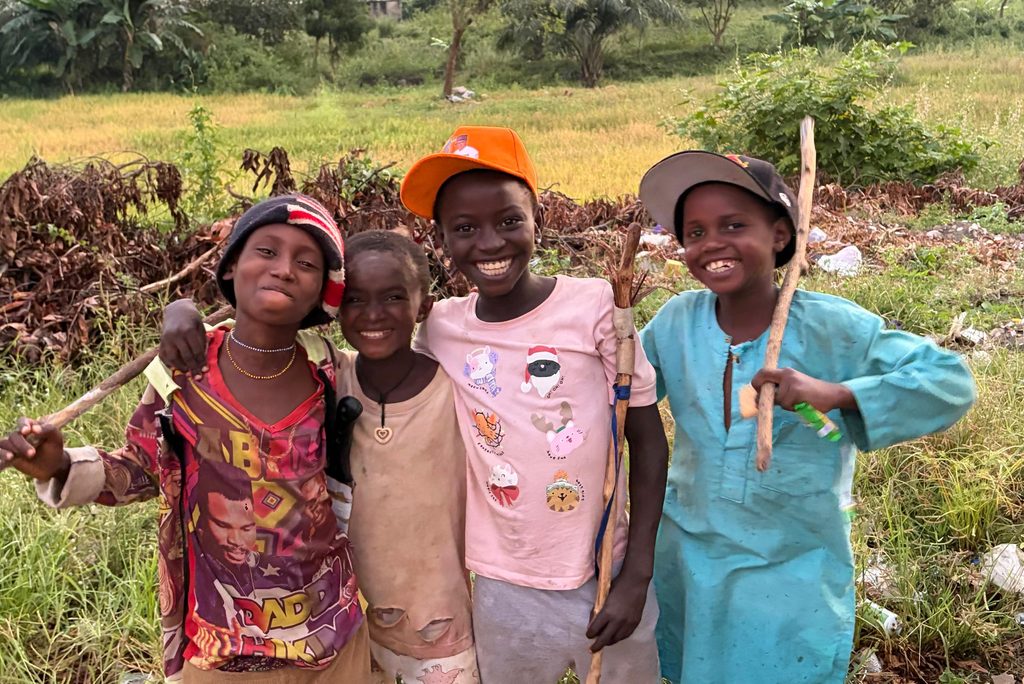
Out-of-School Children Deserve Education Too: Leaving No Child Behind
Education is a fundamental right, not a privilege reserved for children who can afford it or those fortunate enough to have access to formal schooling. Yet, across Nigeria, thousands of children remain outside the classroom, deprived of the opportunities that education provides. These children, commonly referred to as out-of-school children (OOSC), deserve just as much access to learning, development and a brighter future as their peers.
Behind every out-of-school child is a story. For some, poverty has made school attendance difficult. For others, insecurity, displacement, cultural barriers, limited educational infrastructure and family circumstances have interrupted their learning journeys. Some children have never had the opportunity to attend school, while others have dropped out before completing their basic education.
Regardless of the circumstances, one thing remains clear: these children should not be forgotten.
Education Should Reach Every Child
Access to education should not depend on where a child is born, the financial capacity of their parents or the circumstances surrounding their community. Every child deserves an opportunity to acquire knowledge, develop essential skills and participate meaningfully in society.
For children who have been excluded from formal education, the need for learning opportunities is even more urgent. Without access to education, they risk being excluded from opportunities that could improve their livelihoods, strengthen their confidence and enable them to contribute to their communities.
However, educating out-of-school children goes beyond simply enrolling them in classrooms. It requires understanding the barriers keeping them away from school and developing inclusive approaches that respond to their individual needs.
Beyond the Classroom: Creating Opportunities for Every Child
Reaching out-of-school children requires deliberate action from governments, educational institutions, civil society organisations, development partners and communities.
Flexible learning programmes, community-based education, vocational training, digital literacy initiatives and alternative learning pathways can provide opportunities for children who may not be able to access conventional schooling.
Particular attention must also be given to children in underserved and conflict-affected communities, where insecurity, displacement and limited educational facilities continue to disrupt learning.
Parents, community leaders and local organisations also have an important role to play in encouraging enrolment, identifying children who are out of school and creating an environment where education is valued and accessible.
No Child Should Be Left Behind
The consequences of educational exclusion extend beyond the individual child. When children are denied access to education, communities lose opportunities for development, innovation and economic growth.
Investing in out-of-school children is therefore not simply an act of compassion; it is an investment in the future of society.
Every child reached represents an opportunity to change a life. Every learning opportunity created brings us closer to a society where children are empowered to make informed decisions, pursue their aspirations and contribute positively to their communities.
At Common Heritage Foundation, the commitment to improving access to education must include children who are often overlooked by conventional educational systems. Their circumstances should not determine the limits of their potential.
Out-of-school children need education too. They deserve to learn, grow and dream. Their future matters, and it is our collective responsibility to ensure that no child is left behind.
Education is for every child, everywhere.